

How to Have Style
A short guide

I’ve always found the process of designing an outfit or space fun. To me, my life is a creative project. I get to make the world I live in as beautiful, ugly, or strange as I want. One of the great privileges of being an adult is getting to decide what clothes you like to wear, what objects you want to use, and what you want your dwelling space to look like.
I’ve already spoken on this blog about how conscious choices about clothing and style can be a magical act, but I want to talk more about personal style here. How we dress, what we smell like, what music we listen to, and how we show up in the world is part of a story we are telling. The thing is, we have agency and get to tell that story. When I see a person with a well defined sense of style, I see a person who has taken responsibility for telling their own story through clothes and art, whatever that story is.
People compliment me on my style now, but it wasn’t always this way. A few years ago I had a full blown identity crisis triggered by Spotify wrapped of all things.
I remember looking at my top artists and songs for the year, and just absolutely crashing out over the person staring back at me. It’s not that I didn’t know who she was, I knew exactly who that person was, I just didn’t like her. I didn’t identify as the person I was being. So, I decided to change it. Here are some tips on how I did it.
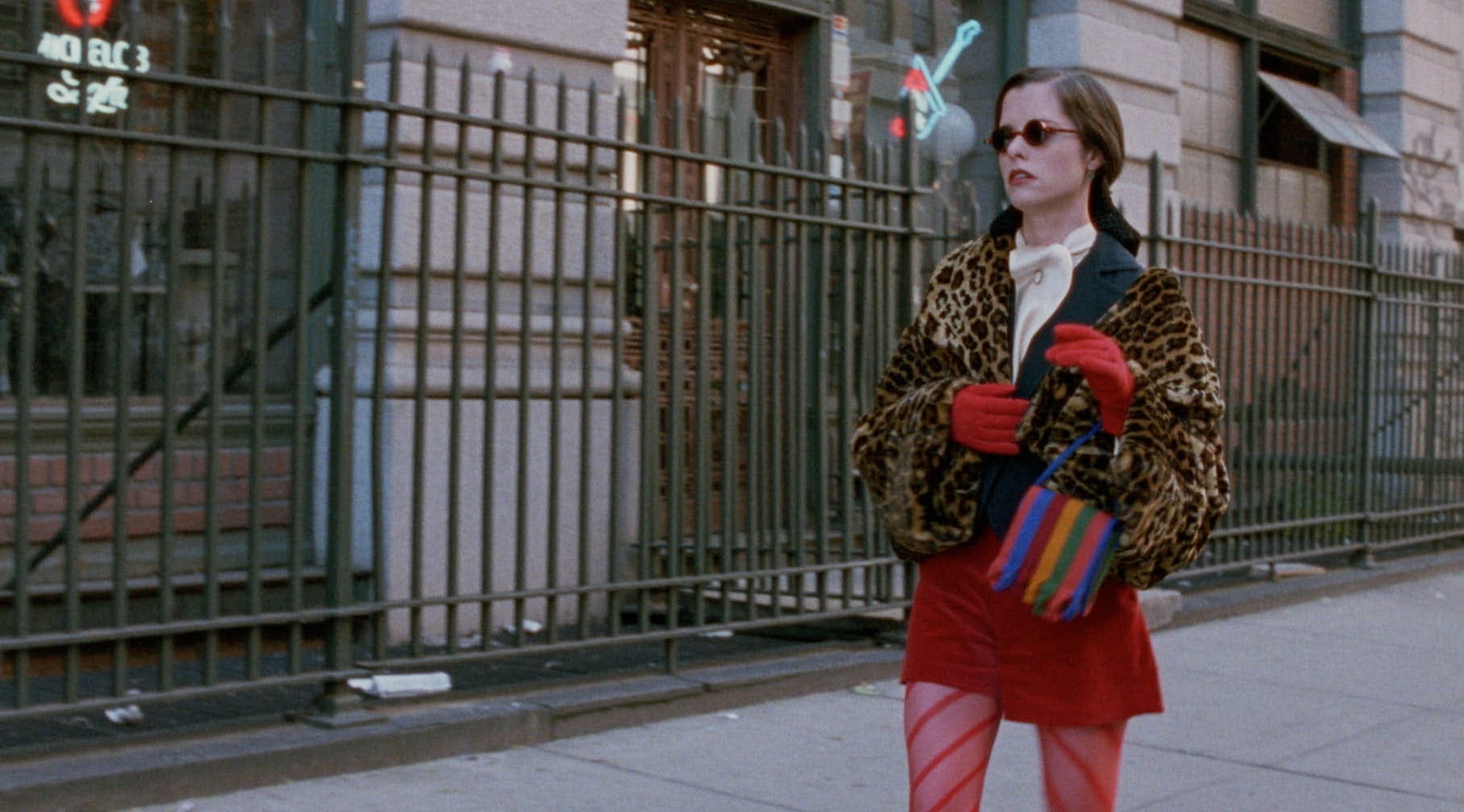
First, start off with these questions:
Where are you now
Look at your style. What would you call it? If you can’t think of a name and that bothers you, it’s time for a change.
Where do you want to be?
What are you trying to convey with your clothes, living space, and artistic diet?
Once you have a sense, even a vague one, that you want to change or develop your style, begin the process of refinement. This is an area where the algorithm and computers can be a great tool or will hold you back.
Figure out your idols and inspirations
This goes beyond “who do you want to dress like?” That can be part of it, but I’m asking you to think more energetically. Who do you want to bring with you when you walk into a room? What people, movies, music, places, time periods light you up? If this is difficult or overwhelming…
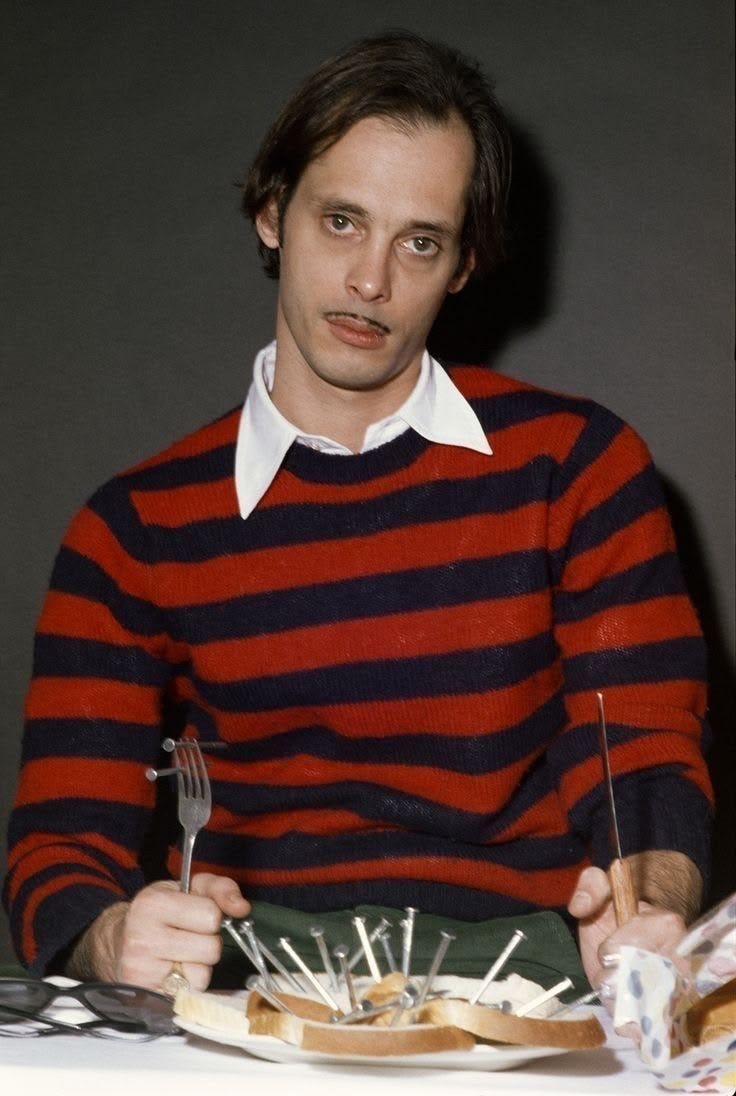
Create an associations map
Pick one thing you find inspirational from a style perspective. Write that down in the middle of a sheet of paper. Then, start branching off that things you associate with that. If it’s a movie, write down the decade it came out, who stars in it, who directed it, where it takes place, the music in it, the colors used, how people dress. From each of those, branch off more things you associate. There are two tricks here: the things you write should excite or interest you, and, if you don’t know the answer to something only note it if it is something that makes you curious to learn more.
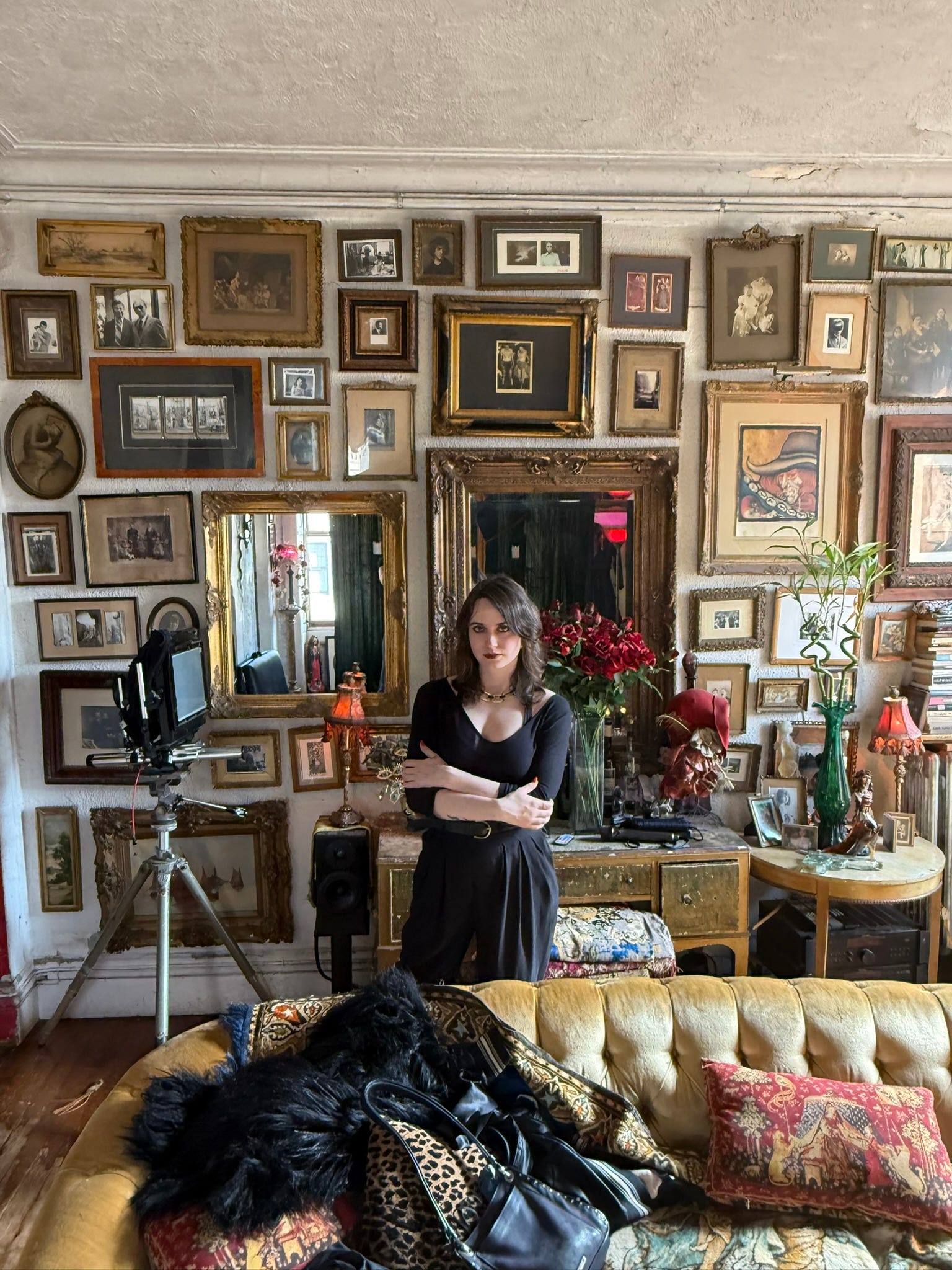
Put together some Pinterest boards
Some of the best style advice I ever got was “buy what you like, it will all make sense in the end because you are the common denominator.” While good advice, it can be an expensive trial and error process while figuring out your personal style. So instead, start Pinterest boards for rooms, fashion, makeup, and art/media. Spend some time scrolling and putting stuff together. Go based on what you like and don’t overthink it. After a couple days or weeks of doing this, what patterns start to emerge? Does anything surprise you? Are there things you like or don’t like that keep coming up? Start removing the pins you don’t like and keep going down the rabbit hole of things you do.
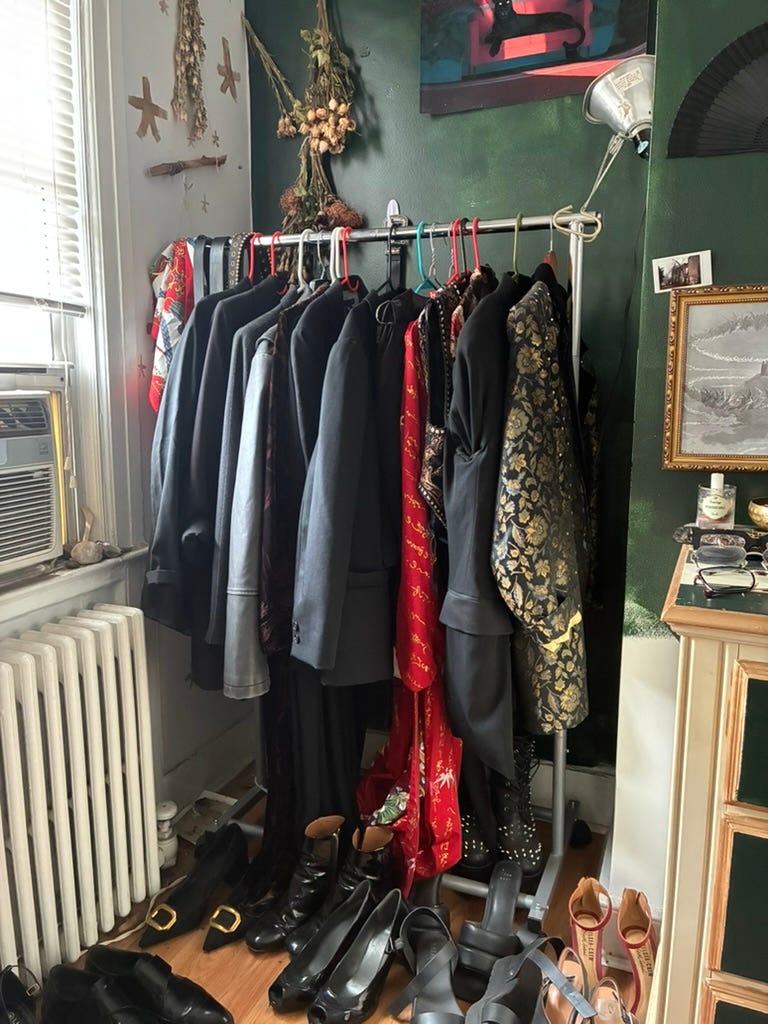
Create a style lineage
Write down three people who inspire you stylistically. Then, write down three people who inspired each of them. If you don’t know, time to research that! In the process of researching who inspired your inspirations, you will learn things about fashion, color, music, and history. This will only help strengthen your personal sense of taste and identity.
Don’t let cost confine you
Look, things are really expensive right now. This is usually where people stop when it comes to changing their personal style or redecorating their living space. They see really expensive wardrobes and home goods, or live in a rental unit they can’t make too many changes to, and just stop. When you hit up against the very real wall of cost, this is where creativity comes in. Is there a second-hand version of that clothing you love that you can buy? Can you make something yourself with materials you already have? If you can’t paint the walls in your home, what is another way to decorate that makes you feel good when you see it? Money can’t buy taste or style. Some of the best dressed people in the world would be lost without an expensive stylist. If cost becomes an issue in your style journey, it’s time to get playful.
Worry about being you, not being cool
Personal style should convey that you know who you are. At the end of the day, creating a personal style is a process of creating and discovering yourself. Stop chasing trends and trying to fit in, and figure out who you are and what you like even as style trends change.
Step away from the algorithms
While tools like Pinterest or Spotify can help open you up to new ideas and artists, they can also trap you into self-consuming loops. Step away from screens and see what excites you out in the world. Go to a museum, people watch in the park, pick up an old fashion photo book, buy a magazine. Find inspiration in the world around you.
Trust yourself
Your style doesn’t have to make sense to anyone but you. If you find yourself combining things like colors, ideas, or references together that don’t make sense to anyone, but that make perfect sense to you, that means you are developing a personal aesthetic. Don’t talk yourself out of the associations you are making or the things you like.
I think this is a wonderful start. All of those tools and techniques are and useful; they remind me of how I assembled my style in graduate school. There is a dimension that came into my style process later that has changed my life for the better, focusing on feeling in addition to looking. In my twenties and the first half of my thirties I put together beautiful rooms and outfits that didn't wear well in reality, because they were designed to exist in photographs, imagination or stillness. My fabulous clothes didn't work for walking or layering with coats. The lovely rooms couldn't stand up to working in them or hosting people. That's when I started picking out new inspirations based on how spaces, things, and people interact. my choices became more durable. I chose clothes based not only how I could see myself in a mirror, but how I would feel when reaching and bending at work or how they fit after miles of walking. I listened better and talked more when I was less distracted by being physically uncomfortable. I invited people over more when I made room for them. I became less focused on the visual as I invested in other senses and other people.